Islington council bulky waste permits near Seven Sisters explained
If you are trying to clear a sofa, mattress, broken wardrobe, or a pile of renovation offcuts near Seven Sisters, the whole process can feel oddly confusing. Islington council bulky waste permits near Seven Sisters explained is really about one simple thing: how to get rid of large household items legally, safely, and without paying more than you need to. The catch is that people often mix up council collections, skip permits, private rubbish removal, and builders' waste rules. Fair enough - the terms blur together fast.
This guide breaks it down in plain English. You will learn what a bulky waste permit actually means in practice, when it matters, how the process usually works, what to check before you book, and where people commonly get tripped up. There are also practical comparisons, a step-by-step checklist, and a few local-useful tips for Seven Sisters and the surrounding Islington edges. Let's make it simple.
Contents
- Why Islington council bulky waste permits near Seven Sisters explained Matters
- How Islington council bulky waste permits near Seven Sisters explained Works
- Key Benefits and Practical Advantages
- Who This Is For and When It Makes Sense
- Step-by-Step Guidance
- Expert Tips for Better Results
- Common Mistakes to Avoid
- Tools, Resources and Recommendations
- Law, Compliance, Standards, or Best Practice
- Options, Methods, or Comparison Table
- Case Study or Real-World Example
- Practical Checklist
- Conclusion
- Frequently Asked Questions
Why Islington council bulky waste permits near Seven Sisters explained Matters
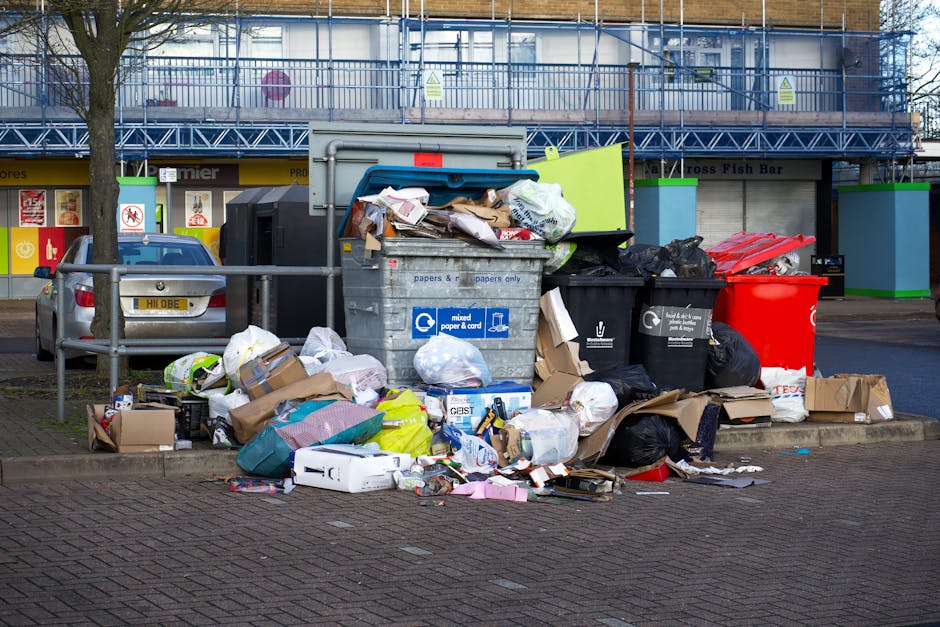
Bulky waste sounds straightforward until you are standing in a hallway with a dismantled bed frame and no idea whether it counts as household rubbish, a council collection item, or something that needs a special arrangement. That is exactly why this topic matters. If you live near Seven Sisters, you are dealing with a busy North London area where pavement space is tight, parking can be awkward, and a quick mistake can turn into a missed collection or an avoidable fee.
The phrase "bulky waste permit" is often used loosely by residents, but in practice people usually mean permission or a booked collection arrangement for large items that cannot go in the normal bin. Sometimes that is handled through the council. Sometimes it is handled by a licensed waste carrier. And sometimes the right answer is simply a one-off clearance if the job is too much for a standard collection. The key is knowing which route fits the waste you actually have.
Near Seven Sisters, that matters even more because properties range from flats above shops to larger homes, and access can be tricky. A resident clearing one broken wardrobe will have different needs from a landlord emptying a flat after a tenancy, and very different needs again from a small business getting rid of old office furniture. One size never really fits all. Not with rubbish, anyway.
How Islington council bulky waste permits near Seven Sisters explained Works
At a basic level, bulky waste handling works like this: you identify the items, check whether they are accepted, decide whether council collection or private removal is the better route, then arrange a pickup or delivery. If a permit is involved, it is usually there to control access, parking, collection timing, or waste placement rather than to "bless" the items themselves. That distinction matters because people often think the permit is the service. Usually, it is not.
For most households, the first question is whether the items are classed as bulky domestic waste. Think mattresses, sofas, tables, wardrobes, white goods, and similar large pieces. Items such as builders' rubble, plasterboard, soil, chemicals, and trade waste are often handled differently and may need another solution. That is where confusion starts. A pile that looks like "just junk" may actually be a mix of domestic bulky waste and regulated waste streams.
In the Seven Sisters area, access conditions also shape how collections work. Narrow streets, controlled parking zones, and shared entrances can all affect whether items can be taken from the kerb, from inside a property, or only from a ground-floor pickup point. If a collection needs the waste placed outside by a certain time, the logistics matter. A lot. Miss that detail and the whole day can wobble.
A useful way to think about it is:
- Bulky waste collection = the practical pickup of large items.
- Permit or booking permission = the authorisation or scheduling layer that makes the collection possible.
- Waste carrier service = a private company removes the waste under the right handling rules.
That is why the phrase "Islington council bulky waste permits near Seven Sisters explained" is really about the complete process, not just one form.
Key Benefits and Practical Advantages
When you understand the process properly, you save time, reduce stress, and avoid the classic mistake of paying for the wrong service. That alone is worth it. But there are a few more advantages worth spelling out.
| Option | Main advantage | Possible drawback | Best for |
|---|---|---|---|
| Council bulky waste arrangement | Usually simple for standard household items | May have limited item types or time slots | Single or small household clear-outs |
| Private rubbish removal | More flexible timing and collection scope | Can cost more depending on volume and access | Urgent, mixed, or awkward collections |
| Full property clearance | Handles larger jobs in one visit | May be more than you need for a few items | End-of-tenancy, probate, move-outs |
There is also a practical benefit people sometimes miss: better sorting leads to better reuse. If you separate items that can be reused, recycled, or safely disposed of, the whole clearance becomes cleaner and often more efficient. A decent wardrobe with one wobbly hinge is not the same as soaked chipboard from a leaking loft. You will notice the difference in handling almost immediately.
Another benefit is peace of mind. Once you know who is taking what, and where it is going, you are less likely to leave items on the pavement "just for a minute," which is how fly-tipping complaints begin. Truth be told, that is one of the easiest ways to create a problem you did not need.
Who This Is For and When It Makes Sense
This guide is useful if you are a homeowner, tenant, landlord, letting agent, small business owner, or property manager near Seven Sisters and you need to clear one or more large items. It also makes sense if you are helping a relative downsize, dealing with a move, or clearing a flat after a tenancy has ended.
Typical scenarios include:
- A tenant replacing a damaged mattress or sofa.
- A landlord clearing abandoned furniture after a move-out.
- A family removing old white goods before a kitchen refit.
- A home office getting rid of broken desks and chairs.
- A garage or loft clear-out that has become, well, a bit of a beast.
If you only have one or two suitable household items, a council collection may be enough. If you have mixed waste, awkward access, or time pressure, a private removal service can be the more realistic choice. And if you are clearing an entire property, a more structured service such as house clearance or flat clearance may fit better than trying to piece everything together yourself.
Sometimes people try to "make do" with a van, a neighbour's help, and a few hopeful bins. It rarely ends elegantly. If the item is large, heavy, damp, or dirty, the wrong approach can become a back injury and a ruined Saturday. Nobody wants that.
Step-by-Step Guidance
If you want the cleanest path through the process, use this simple order. It keeps the decision clear and stops you from overpaying or booking the wrong thing.
- List the items
Write down exactly what needs removing. One sofa is not the same as a sofa, two armchairs, a bed base, and assorted bagged junk. - Separate waste types
Keep domestic bulky items apart from garden waste, builders' waste, electricals, and anything hazardous. Mixed loads are where confusion starts. - Check access
Ask yourself whether items can be moved to the front boundary, whether there is lift access, and whether parking is realistic. Near Seven Sisters, access can be the deciding factor. - Choose the collection route
Use council collection if the load is straightforward and the timing works. Choose private removal if you need speed, flexibility, or a wider range of items handled. - Confirm the handling rules
Make sure the service accepts your exact items. For example, furniture disposal is not the same thing as getting rid of a fridge, and neither is the same as hazardous waste disposal. - Prepare the items
Empty drawers, remove loose parts, and tape sharp edges if needed. If safe, dismantle bulky pieces to make carrying easier. - Book or arrange the collection
Set the date, collection point, and any access notes clearly. A good booking avoids a lot of back-and-forth later on. - Keep proof and confirmation
Save the booking details, payment confirmation, and any collection notes. Handy if there is a query afterwards.
One small but helpful tip: if the removal includes reusable furniture, ask whether it can be separated from waste destined for disposal. That can be better for the environment and sometimes better for your budget too. Simple, but easy to forget in the rush.
Expert Tips for Better Results
After you have seen enough clear-outs, certain habits start to stand out. The smooth jobs are usually the ones where the customer has done a little preparation. Not heroic effort. Just sensible prep.
Tip 1: Group items by material or type. Put wood with wood, metal with metal, and electricals together if they are being removed. That helps identify what needs special handling.
Tip 2: Measure awkward items before booking. A wardrobe that looks manageable in the hallway may be a nightmare on a tight stairwell. Tape measure in hand, five minutes well spent.
Tip 3: Be honest about access. If there are three flights of stairs, a narrow entrance, or no nearby parking, say so early. It affects the practical plan.
Tip 4: Use clearance as a sorting moment. If you are already clearing, set aside items for donation, recycling, and disposal before the team arrives. You will save time on the day.
Tip 5: Think about timing. Early morning slots can work well in busy areas because the street is quieter and there is less foot traffic. In the late afternoon, things can feel tight and a bit rushed.
Tip 6: Keep damp or contaminated items separate. A water-damaged mattress or mouldy soft furnishing is not the same as clean furniture. Handling needs can differ.
Expert summary: the best bulky waste job is usually the one where the items are clearly sorted, access is described honestly, and the collection route matches the waste type. That combination saves time, keeps costs sensible, and reduces the chance of a failed pickup.
And yes, sometimes the smartest move is not trying to squeeze everything into one answer. Two smaller, cleaner removals can be easier than one giant muddle. That is not glamorous, but it works.
Common Mistakes to Avoid
Bulky waste jobs go wrong in predictable ways. The good news is they are easy to avoid once you know them.
- Mixing bulky waste with builders' waste. A sofa and a pile of rubble are not the same job.
- Leaving items outside too early. In a busy area, that can attract complaints, damp, or fly-tipping risk.
- Not checking if electrical items are accepted. Fridges, freezers, and appliances often have their own handling route.
- Underestimating access problems. Stairwells, parking, and building entry can slow everything down.
- Booking the wrong service for the volume. A single item does not need a full clearance, but a whole flat might.
- Forgetting about hazardous contents. Paint, chemicals, batteries, and sharp materials need care.
- Assuming every item can go together. It cannot. Not really.
One of the most common issues is simply vague planning. "A few things" can turn out to be a dozen items and a broken desk nobody remembered. Before you know it, the job has doubled. Be specific from the start, even if the list is a bit messy.
Tools, Resources and Recommendations
You do not need fancy equipment to organise a bulky waste collection well. A few practical tools make life easier, though.
- Measuring tape for awkward furniture and access points.
- Notebook or phone list to record exactly what is going.
- Marker pens and tape to label items for reuse, recycling, or disposal.
- Work gloves if you are moving items around before pickup.
- Camera phone to photograph items or access constraints if you need to brief a team.
For services that involve multiple item types, it can help to explore specialised pages such as mattress and sofa disposal, fridge and appliance removal, or furniture clearance. If the job has grown beyond one or two items, a broader option like waste removal may be the cleaner route.
If you are comparing prices or trying to understand how quotes work, the pricing and quotes page is worth checking. It helps to know what is included before you commit. Nobody likes a surprise charge halfway through a job, especially not on a damp Tuesday morning.
For people who want to plan more carefully, the blog can also be useful. A few relevant reads are avoid hidden rubbish removal fees in Seven Sisters and practical steps to control bulky waste costs. They are good companions to this guide if you are budgeting the job.
Law, Compliance, Standards, or Best Practice
Waste removal in the UK is not just about convenience. There are legal and practical responsibilities attached to it, especially when waste is passed to another party. You do not need to memorise regulations to make a sensible booking, but you do need to understand the basics.
First, use a properly organised route for disposal. If a service is handling your waste, that service should be able to operate lawfully and manage the load responsibly. Second, separate hazardous items from ordinary household bulky waste. Third, do not leave waste in a public place unless the collection has been arranged in a way that allows it. Common sense, really, but it matters.
Best practice also means being honest about the contents of the load. If there are sharp objects, broken glass, food residue, liquids, batteries, or contaminated items, say so. It is safer for the people handling the job and helps prevent contamination of recyclable material.
For homes and small businesses near Seven Sisters, recycling and reuse should be part of the decision where possible. That might mean dismantling items so materials can be sorted more easily, or keeping reusable furniture separate from general waste. A little care here can make a real difference. It is not always neat, but it is better.
If you need to handle more complex waste streams, such as building debris, garden material, or specialist items, services like builders' waste clearance and garden clearance are more appropriate than treating everything as ordinary bulky waste.
Options, Methods, or Comparison Table
When people ask about bulky waste near Seven Sisters, they are usually trying to choose between a few real-world options. Here is a practical comparison.
| Method | Speed | Flexibility | Best use case | Watch out for |
|---|---|---|---|---|
| Council-style bulky collection | Moderate | Lower | Standard household items | Limited item types and booking windows |
| Private bulky waste removal | Fast | High | Urgent or mixed loads | Costs can rise with access or volume |
| Property clearance | Fast to moderate | High | Whole rooms, flats, or homes | More than needed for a small job |
| Self-haul to disposal route | Varies | Medium | One-off items if you have transport | Labour, vehicle size, and time pressure |
So which one should you choose? If you have one ordinary item and no urgency, the simplest route often wins. If the load is bigger, mixed, or time-sensitive, private removal is often the calmer choice. And if the entire property has to be emptied, a clearance service is usually the most practical decision. Sometimes the right answer is the least exciting one. That is fine.
Case Study or Real-World Example
Here is a realistic example from the kind of job that comes up all the time near Seven Sisters.
A tenant moves out of a first-floor flat with a broken sofa, an old mattress, two dining chairs, and a small stack of flat-pack offcuts from a DIY project. At first glance, it sounds like a quick bulky waste collection. Then the details come out: the sofa is too large for the stairwell unless it is cut down, the mattress is damp from a leak, and the DIY offcuts include some mixed board material.
The sensible approach is to sort the items into categories before booking. The clean furniture goes one way, the damp or damaged items are checked separately, and the offcuts are treated carefully so they do not get bundled in with everything else. Because the building has tight access and limited parking, the collection needs to be timed for a quieter part of the day. Simple on paper, slightly more involved in real life.
The result? Fewer delays, less handling risk, and a cleaner finish. If the person had simply left everything outside and hoped for the best, the job might have become a missed collection or a complaint from neighbours. That is the real lesson. Good planning saves a lot of bother.
Practical Checklist
Use this checklist before you book or arrange any bulky waste collection near Seven Sisters.
- Confirm exactly which items need removing.
- Separate furniture, appliances, garden waste, and builders' waste.
- Check whether any item is broken, damp, hazardous, or contaminated.
- Measure large items and note any tight access points.
- Decide whether council collection or private removal is the better fit.
- Ask how the waste will be handled, reused, or recycled.
- Prepare items by emptying drawers and removing loose parts.
- Keep booking details, payment records, and collection notes safe.
- Make sure items are ready at the agreed time and place.
- Do a final sweep before the team arrives so nothing is missed.
A short checklist like this sounds basic, but it prevents a lot of avoidable mess. And honestly, the best clear-outs are usually the ones where nobody is scrambling at the last minute.
Conclusion
Islington council bulky waste permits near Seven Sisters explained comes down to understanding the route that matches your waste, your access, and your timing. If you only need to remove a few standard items, a simple council-style or booked collection may be enough. If the job is mixed, urgent, or awkward, a private removal or clearance service is often the more practical choice. The trick is not to overcomplicate it, but not to underthink it either.
Near Seven Sisters, where access and parking can shape the whole job, a little planning goes a long way. Sort the waste, be honest about the load, and choose the right service for the right items. That way the process feels manageable instead of chaotic. And that is really what most people want at the end of the day - a clean space, a clear plan, and no leftover stress hanging around.
Get a free quote today and see how much you can save.
Frequently Asked Questions
What does bulky waste mean in practice?
Bulky waste usually means large household items that do not fit in normal bins, such as sofas, mattresses, wardrobes, tables, and similar pieces. It can also include some white goods, but that depends on the service and item type.
Do I actually need a permit for bulky waste near Seven Sisters?
Sometimes people say "permit" when they really mean a collection booking or access permission. Whether anything formal is needed depends on how the waste is being collected, where it is placed, and who is handling it.
Can I put bulky items on the pavement before collection?
Only if the collection has been arranged in a way that allows that and the items are placed exactly as instructed. Leaving waste out casually can create a nuisance or a fly-tipping issue.
What items are usually not accepted with standard bulky waste?
Items such as hazardous materials, some electrical appliances, builders' rubble, and contaminated waste are often treated separately. It is best to check each item rather than assume it will all go together.
Is council collection cheaper than private removal?
Often it can be for simple loads, but not always. Private removal may be better value if you need speed, flexible timing, or several different item types taken in one visit.
How should I prepare furniture for removal?
Empty drawers, remove loose parts, and dismantle items if that makes access easier. If the item is damaged or sharp, take a little extra care so it can be handled safely.
What if my items are from a flat with no lift?
Tell the service early. Stair access changes the job quite a bit, and it helps the collection team plan the right equipment and timing.
Can I include garden waste with bulky waste?
Sometimes not. Garden material is often treated as a different waste stream, so it is better to separate it and check the right disposal route.
What is the safest option for broken appliances?
Fridges, freezers, and other appliances should be handled through a service that accepts them specifically. Do not mix them in without checking first, especially if there are refrigerants or electrical components involved.
How do I know if a removal service is suitable for my job?
Look at the type of waste, access conditions, timing, and whether the service clearly says what it accepts. If your job is a bit unusual, describe it in detail before booking. That little bit of honesty helps a lot.
Can I book bulky waste removal for a whole property clear-out?
Yes, and in many cases that is the better choice. Whole-property jobs are usually easier to manage through a clearance service than by trying to deal with individual items one by one.
What is the best next step if I am still unsure?
Make a short list of items, note the access conditions, and compare the most suitable removal option. If you want a straightforward starting point, review the available service details and decide from there. Small steps first. That usually does the trick.